Francophonique

“The small, but long, and complex, history of Alberta’s Francophonie, poetic and sung version”

a show produced by FrancoMusik Alberta.

  • In French, with English surtitles on screen
  • Public consultation before and after the performance
  • Three public performances and one private performance on the 2026 launch tour

Live an immersive experience celebrating Franco-Albertan history, memory and identity, where theatre, music and human stories meet.

01 · The show at a glance

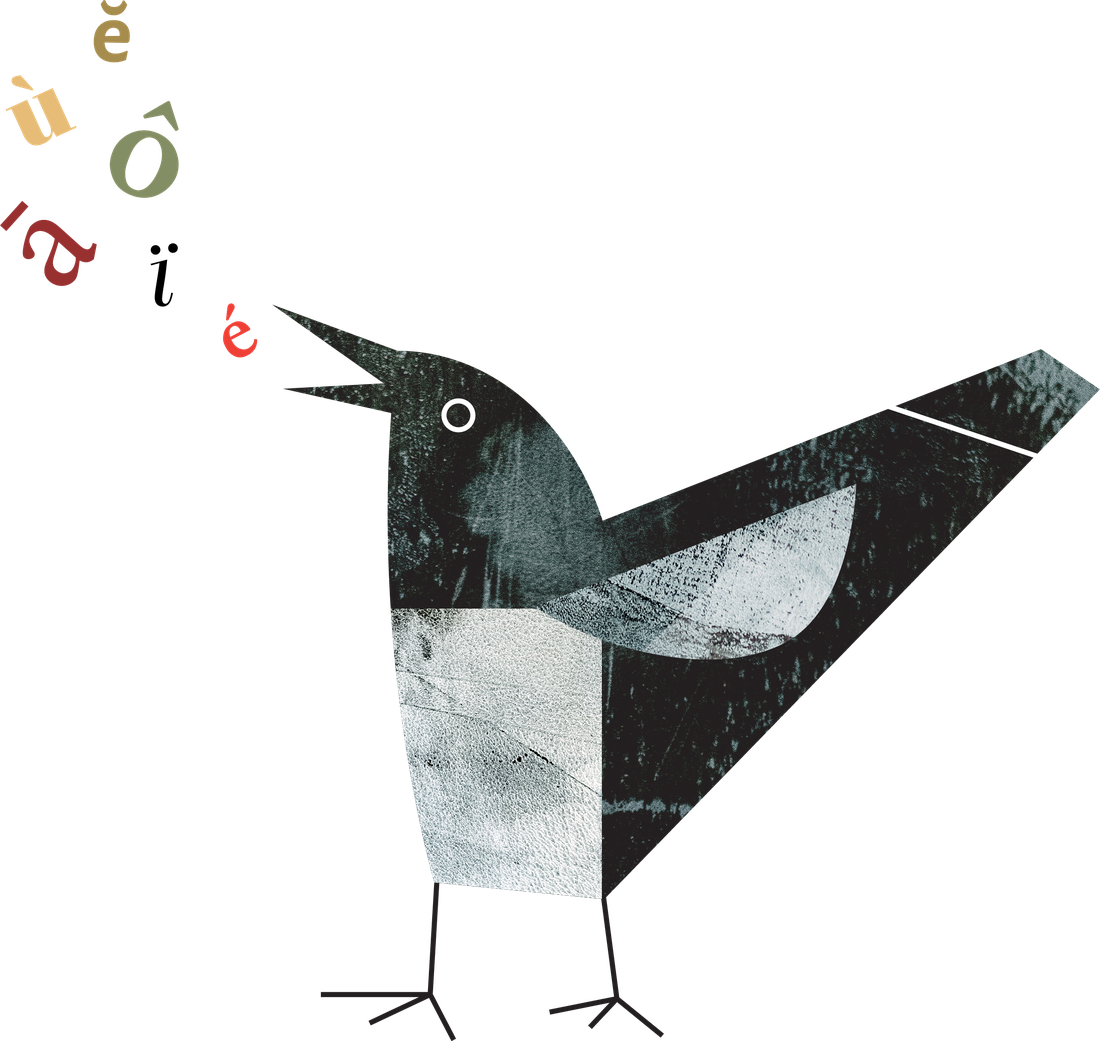
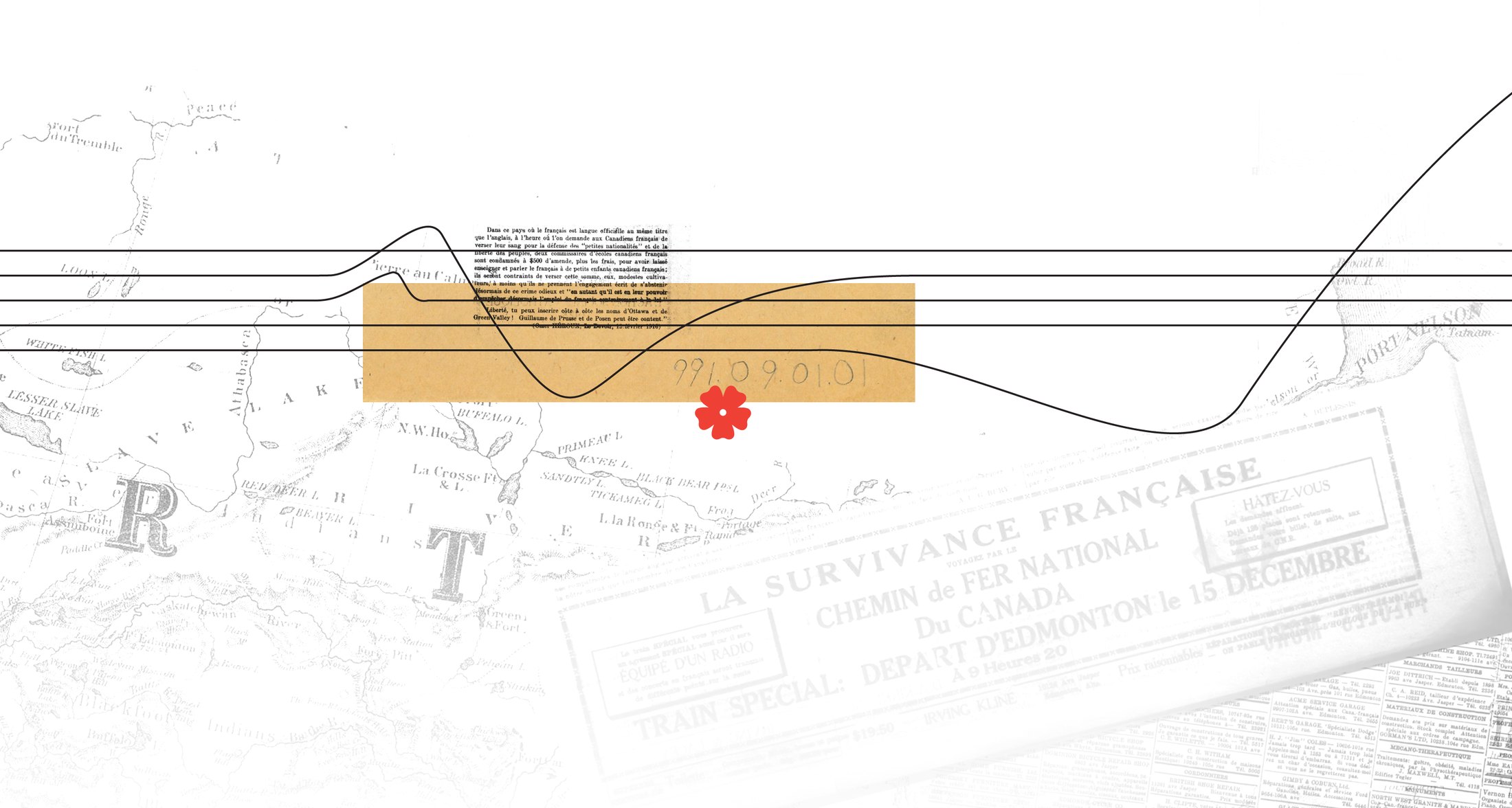
Francophonique poster: the title in ink lettering; a collaged bird sings colourful accents, perched on musical staves above an ochre band, old maps and newspapers; September 18, 2026, Cité des Rocheuses, Calgary; November 6 and 7, 2026, Théâtre Servus, Edmonton; the team and the partners' banner at the bottom.
Poster: Marie-Pierre Castonguay, Oops! DesignDownload the poster (PDF, 0.9 MB)

Friday, September 18, 2026Calgary, Cité des Rocheuses

Venue: 4800 Richard Road SW, Calgary.

Opening performance of the 2026 tour.

Tickets: general admission $28 · students and seniors 55 and over $20
Ticketing fees are added at checkout.


Friday, October 16, 2026Edmonton, Annual Congress of Alberta’s Francophonie

Venue: Edmonton Expo Centre.

Performance presented as part of the Congrès annuel de la francophonie albertaine, the annual congress of Alberta’s Francophonie, in a special ACFA Centennial edition.

Tickets: reserved for Congress registrants.


Friday, November 6 and Saturday, November 7, 2026Edmonton, Théâtre Servus

Venue: La Cité francophone, 8627 rue Marie-Anne-Gaboury (91st Street).

Two performances recorded live for an upcoming video release.

Tickets: general admission $28 · students and seniors 55 and over $20
Ticketing fees are added at checkout.

EVENING PROGRAM

  1. 7:30 p.m.Doors open
  2. 7:45 p.m.Public consultation and cultural mediation
  3. 8 p.m.Francophonique
  4. 9:45 p.m.Public consultation and artistic team panel
  5. 10:30 p.m.End of the evening
Program contents
  1. 01At a glance
  2. 02Welcome
  3. 03A word from the ACFA
  4. 04Land acknowledgement
  5. 05The show
  6. 06Let’s talk
  7. 07Inside the show
  8. 08The songs
  9. 09Historical milestones
  10. 10The creative team
  11. 11On stage
  12. 12Historical consultation
  13. 13Behind the scenes
  14. 14Credits
  15. 15Acknowledgements
  16. 16Partners and funders
  17. 17After the 2026 tour

Welcome

Pénélope Gaultier, Executive Director of FrancoMusik Alberta, artistic co-direction and production

Dear friends, Francophone or not, from here or from elsewhere,
It is an immense joy for me to present to you the result of so many sessions of brainstorming, of dialogue and consultation, of research and discoveries, of creation and choices… The result of everything that happened over these past three years, all that was beautiful, magical, stressful and moving, swept along in a creative current that kept growing wider and stronger, right up to this show, which ended up outgrowing us and no longer belongs to us!
A collective work, carried by the voices of the past and sung today so that a harmonious tomorrow may resound.

This show, we hope, will stir what lies deepest in each of us: our identities, our cultures, our communities.

Enjoy the show!

A word from the ACFA

Nathalie Lachance, President of the Association canadienne-française de l’Alberta

Dear friends of the Francophonie,

There are stories we tell, and others we bring to life. Francophonique, created for the ACFA’s centennial, gives breath, a voice and a stage to Alberta’s Francophonie.

In this poetic and sung journey, memories come back to life and the voices of yesterday meet those of today. Music, theatre and human stories weave the threads of a long, complex and deeply living history. A history shaped by those who chose to speak, to create and to dream in French.

For its centennial, the ACFA wanted to do more than commemorate the road travelled: it wanted to help bring our history to life and pass it on in a new way. It is in this spirit that we chose to support and invest in the creation of Francophonique, a work that draws on our collective memory to carry it onto the stage and make it resonate with new generations.

This work celebrates the road travelled, but also everything that remains to be imagined. It reminds us that our Francophonie is not conjugated only in the past tense: it is sung in the present, and carries the future within it.

We are proud to have helped make this creation possible, and deeply grateful to FrancoMusik and to the artists and artisans who brought it to life.

On behalf of the ACFA, I wish you a memorable experience. Enjoy the show!

Land acknowledgement


We acknowledge that Francophonique is created and presented on Indigenous lands. In Edmonton, on Treaty 6 territory, a gathering place for the Cree, Dene, Blackfoot, Saulteaux and Nakota Sioux, and the homeland of the Métis Nation. In Calgary, on Treaty 7 territory, a meeting place of the Siksika, Kainai, Piikani, Stoney Nakoda and Tsuut’ina, as well as the Métis Nation.
We do so in the spirit that guided the show, “nothing about us without us”, with our deepest gratitude to the people we consulted, who accompanied us throughout this work with kindness and generosity.

The show

Where Francophonique comes from

It all began in August 2023, as the ACFA centennial approached. Ronald Tremblay and Dominique Roy, two keepers of the memory of Alberta’s Francophonie and both musicians, came to FrancoMusik with a vision: an instrumental work of some forty minutes, a kind of symphonic poem for the community’s hundredth anniversary.

Pénélope Gaultier saw an opportunity to go further: a stage work that would resonate for the centennial celebrations and beyond. A work that could travel, across the province and elsewhere, that could be a “mirror” for Alberta’s Francophones and a “window” for non-Albertans and non-Francophones… The work was then rethought as a musical and visual show telling the history of Alberta’s Francophonie.
In 2024, the ACFA adopted the project as one of the “flagship” events of its 2026 centennial programming and backed its production.
The team came together in 2025, and it was under the direction of Josée Thibeault, as playwright and stage director, that the show took on a whole new dimension, theatrical and poetic, giving it the final form you are about to discover.
Robert Walsh as musical director, Dylan Reade in media arts, and Denis Perreaux of the Société historique francophone de l’Alberta as historian in residence complete an artistic team in search of truth and excellence, in the service of the recognition of Alberta’s Francophone reality, its turbulent past and its present and future vitality.

What it tells

On stage, three actors and four musicians set out to bring to life, in a single evening, the small but long and complex history of Alberta’s Francophonie. They start from a simple question, which is not so simple after all: why is French still spoken in Alberta?

The story travels through time in four movements, framed by a prologue and an epilogue. It gives voice to real characters and to voices of today and of yesterday, families established for generations as well as those who arrived recently. The original songs are performed live. Archival images and visual creations, projected on a large screen, open other windows onto the past. Neither a lesson nor an exercise in nostalgia: Francophonique sends each of us, Francophone or not, back to the deepest questions of how our identity is built and where our sense of belonging comes from.

The thread of the bird

A bird runs through the whole show. It escaped from the pages of Linguaphile, the book by linguist Julie Sedivy, excerpts of which open the show’s movements: “There was a time, in each of our lives, when we experienced language as mere music.” It also comes from Wapinesew, whose name means White Bird, the first French-speaking person in the West whose name the archives have preserved. Birdsong, a child’s babble, languages layered one over another: Robert Walsh’s music picks up this thread from one movement to the next, all the way to the title of the epilogue, A bird that doesn’t sing… dies.

“A living language is a sung language.”Jim Corcoran

Let’s talk

The show is not only to be watched: it is to be discussed. Two consultation and dialogue sessions frame it.

Before and after the performance

Public consultation

An open session for everyone, before the curtain rises, to enter into the questions the show raises: what does it mean, today, to be Francophone in Alberta? The audience speaks first; what is said there feeds the conversation after the show.

After the performance

Artistic team panel and audience questions

The artists return to the stage for an exchange with the audience: what they were searching for, what moved them, what they discovered about their own history along the way. Your questions are for them.

Inside the show

A prologue, four movements, an epilogue… and everything they hold!

Prologue

For the love of languages

Instrumental theme: BirdsongFor the love of languages, 1A mise en abyme and a premise

First movement · 23,000 years ago… and from 1534 to 1838

Drifting, wandering

Human migration and the conquest of territoriesFirst wave of immigration: canoe and portageThe “Canayens”His name was… WapinesewHer name was… Marie-AnneYou, what’s in your name?So far so good

Original songRamant les rivières (Rowing the Rivers)

Second movement · 1838 to 1905

Resistance

The resistance of the PatriotesThe Durham ReportA Brisebois and some RouleauEveryone is welcome… or almostSecond wave of immigration: the trainLaurent GarneauThe end of a form of interculturality

Original songsRésister (Resist) · Y’a quoi dans un nom (What’s in a Name) · Pour l’amour des langues (For the Love of Languages), 2

Third movement · 1905 to 1969

Survival

An ethnicity among so many othersOne hour a dayCreating connectionL’Association canadienne-française de l’Alberta“The bilingual peril”Courage, heroism, pride, loveLanguage is a flowerFrom “Canayens” to Franco-Albertans

SongsOn ne va pas se laisser clouer le bec (We Won’t Be Silenced, original) · J’aime mieux les États (I’d Rather Have the States, Mathilda Plamondon)

Fourth movement · 1969 to 2026

Awakening, empowerment, mobilization

A diverse communityA Piquette and some ticketsThe Mahé ruling

SongPour l’amour des langues (For the Love of Languages), 3

Epilogue

A bird that doesn’t sing… dies

Original songFrancophonique

The songs

Lyrics: Josée Thibeault, Robert Walsh (unless otherwise noted)
Music: Robert Walsh (unless otherwise noted)

Original songs and music

  • Birdsong themeinstrumental theme, heard throughout the show
  • Pour l’amour des langues (For the Love of Languages), 1, 2 and 3on excerpts from Linguaphile, by Julie Sedivy; in the prologue, the second and the fourth movement
  • Ramant les rivièresRowing the Rivers
  • RésisterResist
  • Y’a quoi dans un nomWhat’s in a Name · spoken word: text by Josée Thibeault, music by Robert Walsh
  • On ne va pas se laisser clouer le becWe Won’t Be Silenced
  • Enoch Jaminstrumental music of the fourth movement, co-composed with Enoch Attey
  • Francophonique, closing songmusic co-composed with Enoch Attey

What the show borrows

  • J’aime mieux les ÉtatsI’d Rather Have the States · song by Mathilda Plamondon
  • Un Canadien erranttraditional air, melody only
  • A reel for Laurent Garneauon Daniel Gervais’s fiddle
  • The Maple Leaf Foreverlast verse, original version

Historical milestones

A few milestones in the history of Alberta’s Francophonie, from 1755 to today.

  1. Around 1755

    Wapinesew, a French-speaking Cree chief, is the first French-speaking person in the West whose name the archives have preserved. He is met near present-day Drumheller by explorer Anthony Henday.

  2. 1808 to 1812

    Marie-Anne Gaboury spends her winters at Edmonton House while her husband, Jean-Baptiste Lagimodière, works the fur trade. She will be the grandmother of Louis Riel.

  3. 1842

    Father Jean-Baptiste Thibault arrives in Alberta: in his first summer he celebrates 353 baptisms and 18 marriages, of French Canadians and Métis.

  4. 1869

    The Royal Proclamation promises to respect existing rights, including French-language courts and schools. Red River Resistance.

  5. 1874

    Laurent Garneau, a French-speaking Métis, settles in Strathcona on river lot 7. The Edmonton neighbourhood bears his name.

  6. 1875

    Éphrem-A. Brisebois founds the fort that will become Calgary; the Rouleau brothers found Rouleauville, with a Francophone majority.

  7. 1885

    About 60% of Alberta’s population is Francophone.
    Louis Riel is hanged.

  8. 1890 and 1892

    The “On the French language in the North-West” debate; English becomes the compulsory language of instruction in the North-West Territories.

  9. 1905

    Alberta becomes a province. Francophones now make up only about 5% of the population.

  10. 1907

    Rouleauville is annexed to Calgary and becomes Mission.

  11. 1925

    French is permitted one hour a day, from Grade 3 to Grade 8.

  12. 1926

    Founding of the Association canadienne-française de l’Alberta.

  13. 1928

    The newspaper La Survivance is launched in Edmonton; it will become Le Franco.

  14. 1933

    The Orangemen circulate a petition against Radio-Canada’s French-language radio.

  15. 1949

    CHFA, Edmonton’s French-language radio station, goes on the air.

  16. 1964

    The Alberta Legislature passes The ACFA Act, the ACFA’s charter: through this act of its own, the province officially recognizes the association as the voice of Alberta’s Francophonie.

  17. 1969

    Canada’s Official Languages Act.

  18. 1987

    The Piquette Affair: MLA Léo Piquette asks a question in French in the Legislative Assembly.

  19. 1990

    The Supreme Court’s Mahé ruling recognizes Francophones’ right to manage their own schools. Francophone school boards are born in 1994.

  20. 2015

    The Caron case: the Supreme Court rules that Alberta is not required to enact its laws in French.

  21. 2026

    ACFA centennial. Francophonique.

The creative team

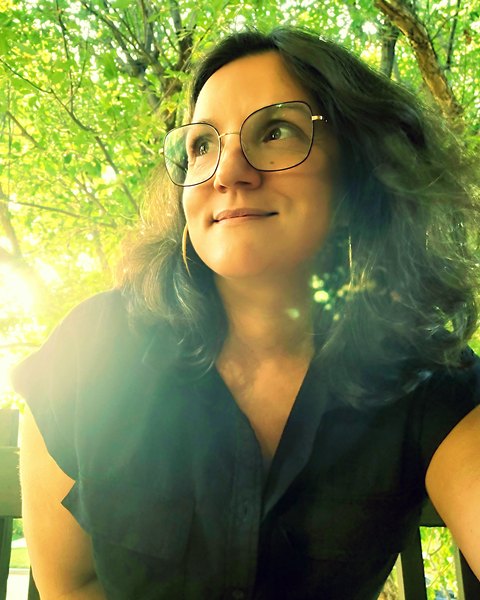
Josée Thibeault

Josée Thibeault

Dramaturgy and text, lyrics, stage direction and artistic co-direction

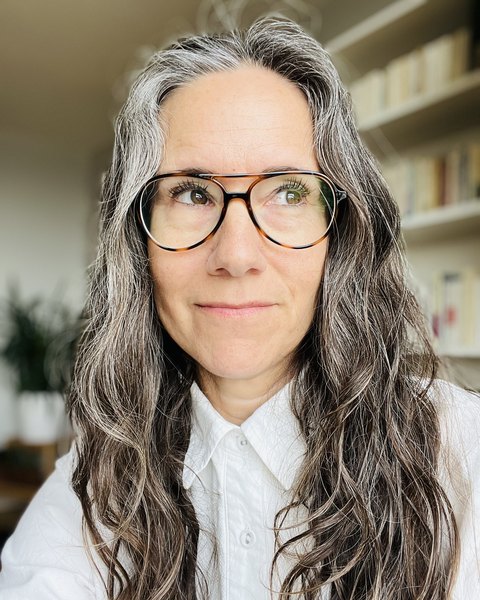
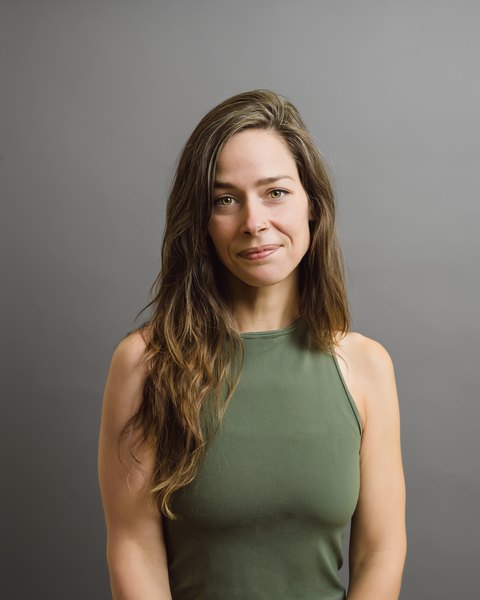
Josée Thibeault is a writer, stage director and actor. A multidisciplinary artist, she takes part in every stage of a production, from writing to directing. She creates theatre, spoken word poetry, comedy and music shows, and has also produced podcasts, television series and documentaries. In 2019, Josée presented her solo show La fille du facteur at L’UniThéâtre in Edmonton, at the Zones théâtrales of the National Arts Centre in Ottawa and on an Alberta tour. The poetic and theatrical narrative La fille du facteur was published by Éditions du Blé in March 2023 and won the Writers’ Guild of Alberta’s Gwen Pharis Ringwood Award for Drama the following year.

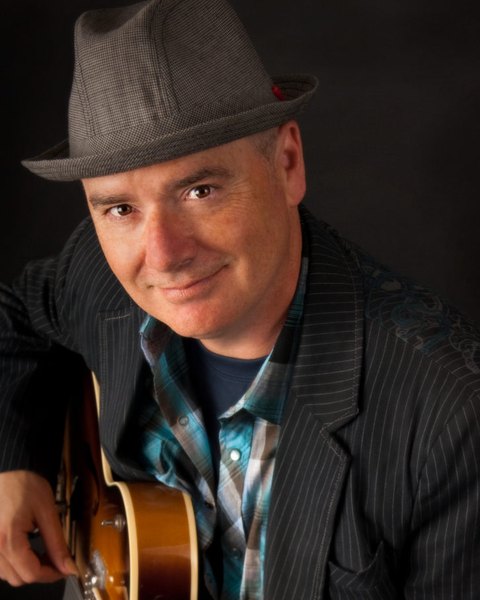
Robert Walsh

Robert Walsh

Music, lyrics and musical direction

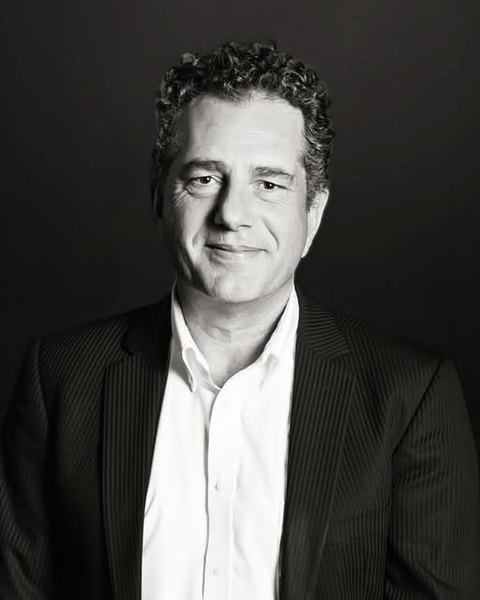
A singer-songwriter, producer, educator and writer based in Edmonton, Robert Walsh writes and sings in English and in French: five solo albums, three band albums and a vast catalogue of music produced for other artists. A guitarist and musical director, he has played with Stewart Copeland, the Pointer Sisters, Luck Mervil, the Edmonton Symphony Orchestra and Alberta Ballet, and composed for film and television. He taught at MacEwan University from 2009 to 2022. In theatre, he has co-written four musicals, including Rubaboo, with Andrea Menard, which earned him two Sterling Awards in 2024.

Dylan Reade

Dylan Reade

Media arts direction

For thirty years, Dylan Reade travelled the world as a camera operator and stereographer for IMAX and IMAX 3D films: more than fifty films shot on all seven continents, including documentary shoots for Warner Brothers and Disney. Based in Edmonton, he founded The High Level Moving Picture Company in 2014, devoted to the history of Edmonton and Alberta through films, installations and illustrated talks. His contributions include content for Lasting Impressions in 3D, a stereoscopic exploration of the Impressionist painters presented from Miami to Montréal, the series Beaver Hills Biosphere (Alberta Heritage Award, 2024) and the animation of Miskamowin, a project by Métis historian Amber Paquette. His research, at the Provincial Archives of Alberta as well as in the Métis scrip records and the Fort Edmonton post journals, feeds the show’s archival images and visual creations.


Enoch Attey

Enoch Attey

Additional music co-composition

A multi-instrumentalist, producer and sound engineer based in Edmonton, Enoch Attey was born in Côte d’Ivoire and raised in the Ghanaian tradition. Guitarist, musical director and producer of the Afro-fusion band Mélafrique, formed in Edmonton in 2016, he blends soul, gospel, reggae, R&B, blues and jazz. A Juno nominee, he has produced and recorded hip-hop albums, film scores and poetry projects in the studio, notably with K-Riz, Arlo Maverick and poet Titilope Sonuga.


Pénélope Gaultier

Pénélope Gaultier

Artistic co-direction and production

Executive Director of FrancoMusik Alberta since 2020, Pénélope Gaultier has more than 25 years of experience in music and in artistic and community development. Trained in musicology at Université Paris 8, where she specialized in opera and lyric theatre staging, she designs and leads multidisciplinary projects rooted in the realities of Francophone minority communities, and supports local artists along their artistic and professional paths.

On stage


Actors

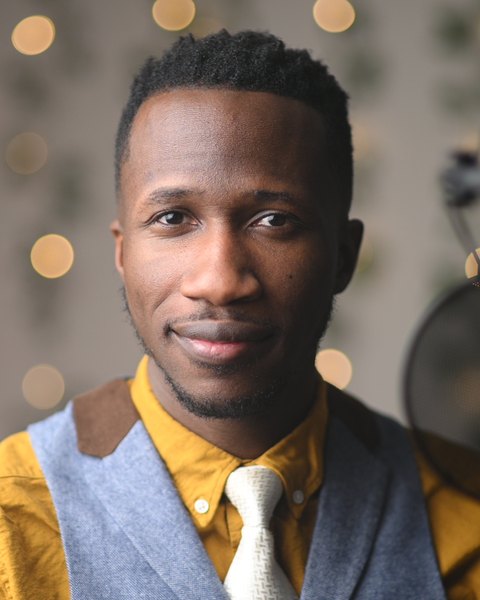
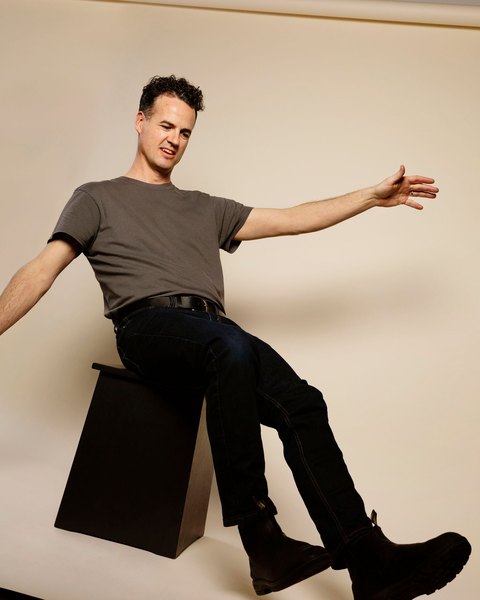
Émanuel Dubbeldam

Émanuel Dubbeldam

Actor, voice and percussion

Émanuel Dubbeldam is an artist of Dutch and Acadian roots, based in Edmonton. His practice as an actor, writer and translator often brings queer, trans and Francophone stories to light. From 2019 to 2024, Émanuel co-hosted the youth program ONIVA! on Radio-Canada before turning back to theatre. His recent credits include Re:Construct(ion) (Donkey Dog Theatre), Les Sentinelles (Compagnie OTEP, L’UniThéâtre, Théâtre français de Toronto) and The Adventures of Young Turtle (So.Glad Arts). He also lends his voice to a variety of characters in audio stories, animated short films and animated television series. Émanuel also writes short stories, screenplays and plays in French and in English. His full portfolio is online at emanueldubbeldam.wordpress.com.

Marie Joanne Fogué Makou

Marie Joanne Fogué Makou

Actor, voice and percussion

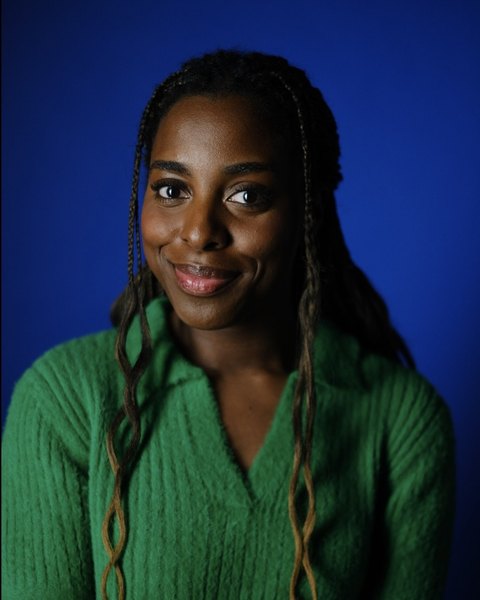
A Franco-Albertan artist born in Cameroon, Marie Joanne Fogué Makou is an actor, performer, dancer and singer, and also shines backstage as a stage manager, director and technician. Winner of the “Director of the Year” award in 2019 and trained with the Citadel Theatre’s Young Acting Company, she has played Goneril (King Lear), Vladimir (En attendant Godot) and Tiresias (Antigone), performed with L’UniThéâtre (Le Rire, Regarde mon village, two youth tours) and taken part in the Expanse Festival (Azimuth Theatre) and Next Fest (Roxy Theatre). Host of the youth program ONIVA! on Radio-Canada, she also travels across Canada to share theatre with young people: improvisation, character creation, writing and devising plays.

Mireille Moquin

Mireille Moquin

Actor, voice and percussion

A fifth-generation Franco-Albertan, Mireille Moquin is a singer, singer-songwriter and actor, at home in Edmonton and across Western Canada. Over the past twenty years, her projects have brought her to audiences across the country and abroad. You may have seen and heard her with the Franco-Albertan folk-roots band Allez Ouest, the duo Ben & Mimi, and in her solo project. The albums Aurevoir princesse (Mireille Moquin) and Hybride (Allez Ouest) received Western Canadian Music Awards nominations. On the theatre side, Mireille has performed on the stages of Théâtre la Seizième (Vancouver), L’UniThéâtre (Edmonton) and La Troupe du Jour (Saskatoon). Since 2023, she has been Administrative Director at L’UniThéâtre. More and more, Mireille finds herself mentoring young songwriters, and loves sharing with and supporting young Francophone women as they find their voice.

Musicians

Robert Walsh

Robert Walsh

Guitar, voice, musical direction

The show’s musical director, Robert Walsh is also on stage, on guitar and voice; that is why he is named here a second time. His full presentation is in the creative team.

Daniel Gervais

Daniel Gervais

Fiddle, voice

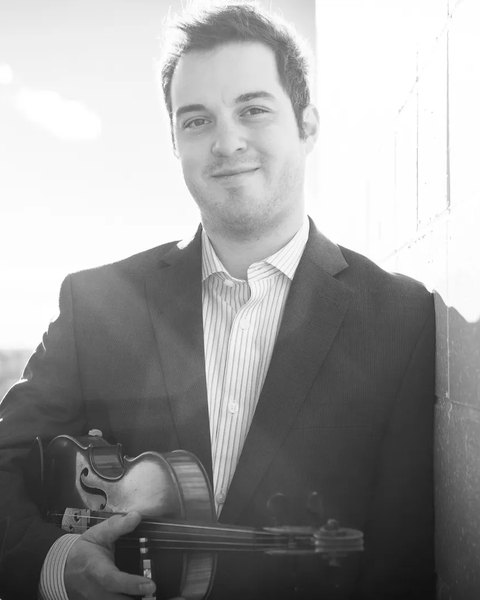
Daniel Gervais, winner of the Canadian Grand Master Fiddle Championship in 2016 and 2011, has been playing the fiddle since the age of five. Daniel leads an active career of performances, teaching and recording projects. He completed his studies in the Master of Music program at the University of Alberta. Daniel had the opportunity to perform at the London Olympic Games as an ambassador of Alberta’s culture. He has been a solo fiddler with the Edmonton Symphony Orchestra and the Regina Symphony Orchestra. He has toured with the Franco-Albertan dance troupe Zéphyr at the Smithsonian Folklife Festival in Washington, D.C., the Mondial des cultures in Drummondville, the Folkmoot USA Festival in North Carolina and the Festival Interfolk in France.

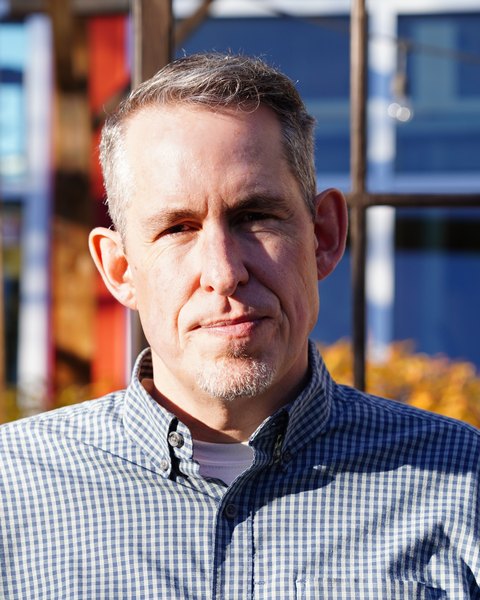
Jason Kodie

Jason Kodie

Accordion, keyboards, voice

An Edmonton musician, composer and sound designer, Jason Kodie is known for his versatility across genres and for a sound that is both precise and narrative. With a degree in education, music and French, he is fully bilingual. He has performed on some of the most respected stages, including the 2010 Winter Olympics, the Smithsonian Institution, Place des Arts and with the Edmonton Symphony Orchestra, and he is a long-standing member of two Alberta ensembles, the folk-rock band Captain Tractor and the multilingual band Le Fuzz; he can also be heard with the Gadjo Collective and on the folk festival circuit in Edmonton, Calgary and Winnipeg. He has composed the music and sound design for more than thirty theatre productions, received a Sterling Award for the musical direction of A Winter’s Tale, and has been the musical curator and emcee of the Flying Canoë Volant since 2011.

Joël Lavoie

Joël Lavoie

Guitar, bass, banjo, voice

A producer, singer-songwriter, guitarist and educator based in Falher, in northern Alberta, Joël Lavoie has more than 25 years of experience creating, producing and teaching music. A graduate in jazz performance and composition from MacEwan University, trained at the Rencontres qui chantent in Petite-Vallée with Daniel Lavoie and Marc Chabot, he is known for a style rooted in blues, roots, folk and rock. Winner of the Gala albertain de la chanson in 2004 and a member of Allez Ouest (Hybride, 2008, tours in Ottawa and at the Smithsonian Folklife Festival), he produces albums for emerging and established artists through Lavoie Music, composes for television (Cowboy urbain, seasons 1 and 2) and taught music at the Centre de développement musical from 2003 to 2025.

Historical consultation

A show spanning three hundred years of history is not written alone. Our historians, in residence or as consultants, put their knowledge, their rigour and their generosity at the service of the team, from the first fragment to the final proofreading.

Denis Perreaux

Denis Perreaux

Historian in residence

Historian in residence for Francophonique, Denis Perreaux has led the Société historique francophone de l’Alberta since 2014, after serving as Executive Director of the ACFA. Born in Manitoba, he grew up in Saskatchewan before settling in Alberta, and has long held a conviction: “you need to know your past to move forward well”, provided the story is told in full, with those who have just arrived as well as with families established for generations. Under his direction, the Société has made its digital turn and worked on the Franco-Albertan history interpretive centre in St. Albert; he can also be heard on Radio-Canada, where he tells the story of how French took root in Alberta. For Francophonique, he opened the Société’s documentary resources, put every fact into context, reread the storyline and answered a thousand questions: his rigour guarantees the authenticity of what is said on stage, and his desire to make history alive and tangible nourished the show from beginning to end.


Dylan Reade

Dylan Reade

Historical research and consultation applied to media arts

As much a researcher as a visual artist, Dylan Reade has combed through Alberta’s homestead records and the Lands Branch files at the Provincial Archives of Alberta, the Métis scrip records and the unpublished Fort Edmonton post journals, going so far as to reconstruct an 1870 census of Alberta. For Francophonique, this research continued, notably at the Provincial Archives of Alberta, where it brought to light numerous Francophone documents. His new research and his deep expertise on the history of Edmonton, the river lots and Laurent Garneau have been invaluable to the show.


Behind the scenes

Those who made the show with us

Lighting design
Scott Peters
Sound
Philippe McLean
Surtitles
Gabriel Balestri
Stage management
Pénélope Gaultier
Set design
Sébastien Guillier-Sahuqué
Poster and program
Marie-Pierre Castonguay, Oops! Design

Credits

Artificial intelligence

Francophonique set itself a guiding principle: “when touching history, generate nothing that never existed”. Artificial intelligence tools were used to bring movement to existing archives and documents, photographs, maps, newspapers, so that they come alive on screen, while respecting the integrity of the visual context. These sequences were produced under the artistic direction of Dylan Reade with Adobe tools, whose generative models are trained on licensed or public-domain content, not on works taken without their authors’ consent. Only the short sequences presenting the titles of the show’s main movements were entirely generated with Adobe.

Archives used in the poster and the program

L’Étoile de St. Albert (November 13, 1912), courtesy of the Musée Héritage Museum · Lloyd’s Topographical Railway Map of North America (1868), courtesy of the David Rumsey Map Collection, David Rumsey Map Center, Stanford University Libraries · L’Union (December 8, 1927), courtesy of Peel’s Prairie Provinces, Newspapers, University of Alberta Libraries.

Photos

Émanuel Dubbeldam: JSP Photography · Mireille Moquin, Jason Kodie: Christy Dean Photography · Josée Thibeault: Sébastien Guillier-Sahuqué · Enoch Attey: Crux Phiri

Texts and music quoted

Excerpts from Julie Sedivy, Linguaphile: A Life of Language Love (2024), French translation by Josée Thibeault, with the kind permission of the author · J’aime mieux les États, a song by Mathilda Plamondon · Un Canadien errant, traditional air · The Maple Leaf Forever (Alexander Muir, 1867) · Archival images: Provincial Archives of Alberta, Société historique francophone de l’Alberta.

Acknowledgements

Infinite gratitude to the artists, the creative team, the partners, the funders and everyone who helped make this project what it is.

FrancoMusik Alberta wishes to thank in particular:

  • the Francophonique advisory committee, active since 2023;
  • Métis District 11 (St. Albert, Otipemisiwak Métis Government), and in particular Archie Arcand;
  • the venues that hosted the creation process: L’UniThéâtre, the Centre de développement musical, the Théâtre Servus at La Cité francophone and the Cité des Rocheuses;
  • the volunteers of FrancoMusik Alberta and its board of directors, for their unfailing support and commitment.

Partners and funders

FrancoMusik AlbertaACFA, 100 years of achievements

Francophonique is a FrancoMusik Alberta production, presented as part of the centennial of the Association canadienne-française de l’Alberta (1926-2026).

Funders

  • Government of Canada
    Government of Canada

    We acknowledge the financial support of the Government of Canada.

  • Canada Council for the Arts / Conseil des arts du Canada
    Canada Council for the Arts

    We acknowledge the support of the Canada Council for the Arts.

  • AGLC
    AGLC

    Alberta Gaming, Liquor and Cannabis.

  • Government of Alberta
    Government of Alberta

    We thank the Government of Alberta for its financial support.

Partners

  • Société historique francophone de l'Alberta
  • L'UniThéâtre
  • Centre de développement musical
  • Regroupement artistique francophone de l'Alberta
  • Cité des Rocheuses, Calgary's Francophone community and cultural centre
  • La Cité francophone
  • FRAP, Francophonie canadienne plurielle


After the 2026 tour

The future of Francophonique…

The video recording

Both Edmonton evenings are being recorded, sound and image, so that the show can travel afterwards. In view: live performances of the show in Alberta’s regions, with the Réseau albertain des diffuseurs, and in other provinces as well, but also ongoing discussions with television and web broadcasters for the audiovisual release of the show.

In schools

With the support of the Fédération des conseils scolaires francophones de l’Alberta, a school program will extend the show into the classroom, for students aged 12 and over: workshops and teaching materials to explore the show’s core themes in class.

Would you like to be notified when the program is released? Leave us your address: coordination@francomusik.ca

The conversation continues

The conversation doesn’t end when you leave the theatre!
Each public consultation remains open after the performances, on the official Francophonique consultation platform. Its address will be unveiled at the opening night, September 18. The results of these consultations will be shared with the public in early December 2026.

Platform link: to be revealed on September 18, 2026

FrancoMusik Alberta

We produce, present and support the music of our communities, with local artists and Alberta’s Francophone communities. Francophonique, the artist directory, our projects with schools and seniors, and our festivals are some of its other faces.

Search an event
Les dernières publications